Sustainable aviation fuel
An e-SAF facility in the Netherlands.

I'm a physicist, entrepreneur, economist, and ultra-endurance athlete exploring how artificial intelligence can fundamentally change the way we design, engineer, and build physical infrastructure.
Reliable industrial heat from flexible electricity.
There's an opportunity to use electricity much more intelligently: combining flexible grid connections, the right equipment, and real-time energy economics to deliver heat at lower cost.
What makes this particularly interesting now is AI. Work that historically required weeks or months of specialist analysis may become possible much faster, allowing us to develop and operate many more projects in parallel.
I want to build the intelligence that makes that possible. Starting with industrial heat, and ultimately expanding toward infrastructure that can be designed, financed, and operated much more autonomously.
Turn utility bills, process diagrams, temperature requirements, and operating data into a model of the plant. Use it to compare equipment, grid access, installation costs, and project returns.
AI can coordinate that work across engineering and financial tools, with engineers validating the result. The ambition is to develop many more projects in parallel, then use operating evidence to improve each new design.
Reuse equipment models, integration designs, cost estimates, and commissioning plans across similar factories. Standardise the parts that repeat and focus engineering effort on the differences that matter.
Compare each estimate with what was installed and how it performs. Better evidence should mean less rework, more accurate pricing, and a clearer case for financing the next project.
My thesis is that flexibility becomes the default: grid access defined by how much power is available, when, and on what terms. That changes both what we should build and how we should finance it.
A factory still needs reliable heat. Size the connection, heat pump, storage, and backup together; then operate them against electricity prices, gas costs, and grid limits. The opportunity is to turn conditional electricity access into dependable, lower-cost heat.
Industrial heat is a starting point for a broader ambition: reducing the energy and infrastructure costs behind the things people need. Extend the same intelligence to cooling, storage, and other flexible electricity uses.
The purpose is to reduce avoidable burdens and create more room for creativity, connection, and exploration. How the value is shared matters as much as how it is created.
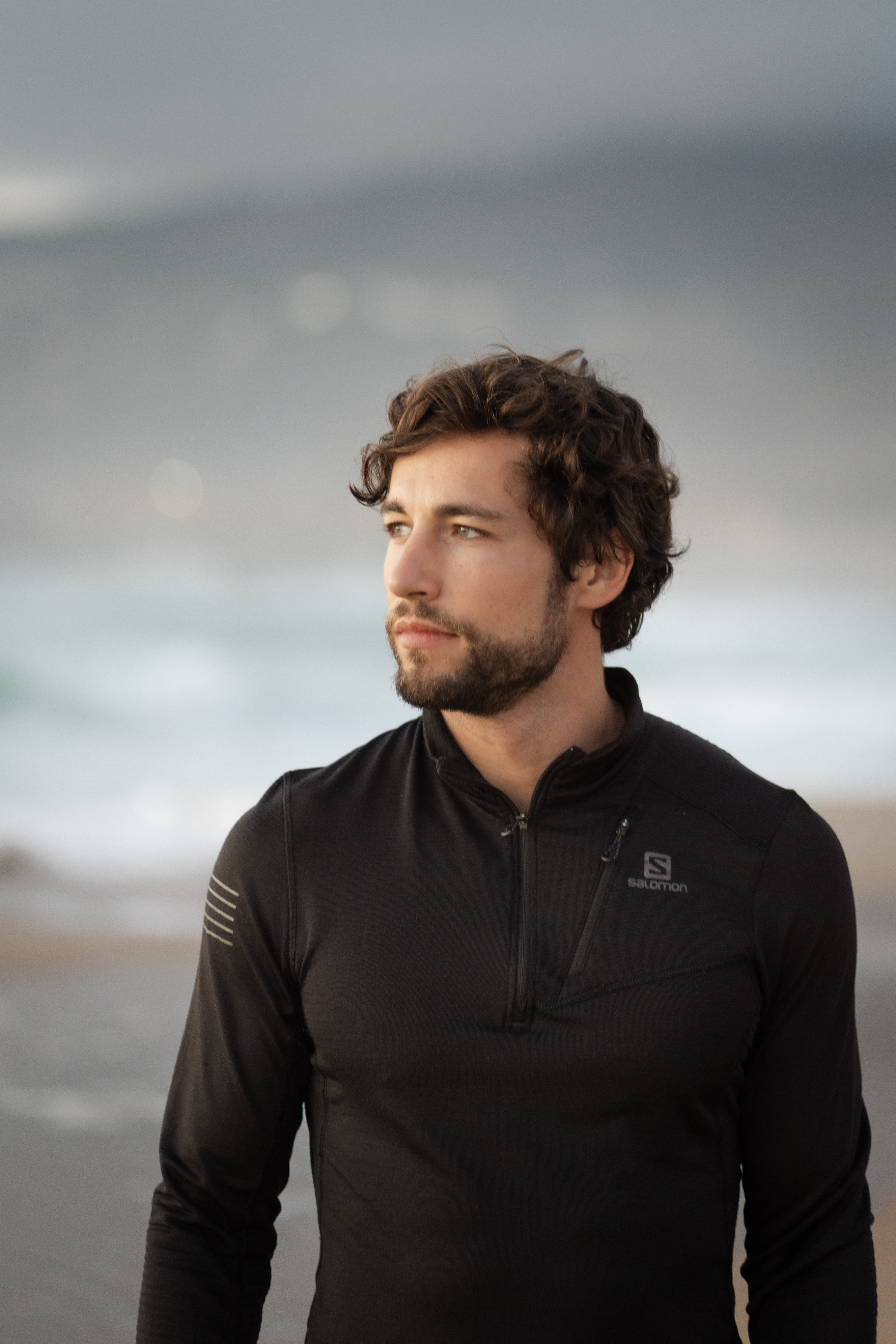
My work sits at the intersection of physical systems and economics: understanding what is possible, what makes sense, and what it takes to make it happen.
I've worked across Europe, Africa, and Australia, moving between project economics, commercial negotiations, technical development, and execution.
I've led strategy and design across three large-scale energy projects, bringing technical choices, project economics, and commercial development together.
An e-SAF facility in the Netherlands.
A 500kt green ammonia project.
A facility to produce green methanol.
Investment banking and private equity, including M&A and post-merger work, honed my understanding of finance and economics: how businesses create value, how deals are structured, and what has to happen after a transaction.
At McKinsey, I worked on energy projects including Germany's nuclear phase-out following Fukushima. That work, and the projects that followed, taught me to connect technical ambition with economics and the practical realities of delivery.
I'm also a conservatory-trained pianist, ultramarathon runner, kitesurfer, paraglider, and photographer.
Music, movement, and the natural world are a large part of my life. I spend as much time as I can exploring, whether on foot, in the mountains, on the water, or in the air.